Table of Content
These days, you can buy a standard one- or – manufactured dwelling, one with cathedral ceilings and fireplaces, that’s equal from a site-built residence, but in a fraction of the purchase price. All these things together also create a disparity in perception between modular homes and mobile homes. Mobile homes are seen as cheap, dangerous, and a bad investment. Mobile homes have a bad track record in severe weather, and they do not hold their value as well as other home types. But most of the misconceptions about mobile homes are exaggerated or rooted in myth. Carefully weighing the pros and cons can help you to make the best decision for you and your family.

The amount you spend will depend on the type of home and options you’re looking for. If you’re looking for the experience of building a home with custom options, Adventure Homes is the best pick. Aside from having plenty of bedrooms for the kids, grandkids, or guests, these floor plans include great gathering spaces for the family to enjoy—like an activity room or bonus family room. Functional features like an open kitchen with an island or large utility rooms that give you plenty of space on laundry day make these floor plans livable for large families.
Selling Modular Homes vs. Manufactured Homes
Modular homes cost 10 to 20 percent less than stick-built houses and are more energy-efficient, which saves on monthly expenses. The average cost to build a stick-built house is $100 to $200 per square foot. Modular home prices range from $80 to $160 per square foot on average. Kent Modular Home prices range from $70 to $100 per square foot or between $42,000 and $250,000.
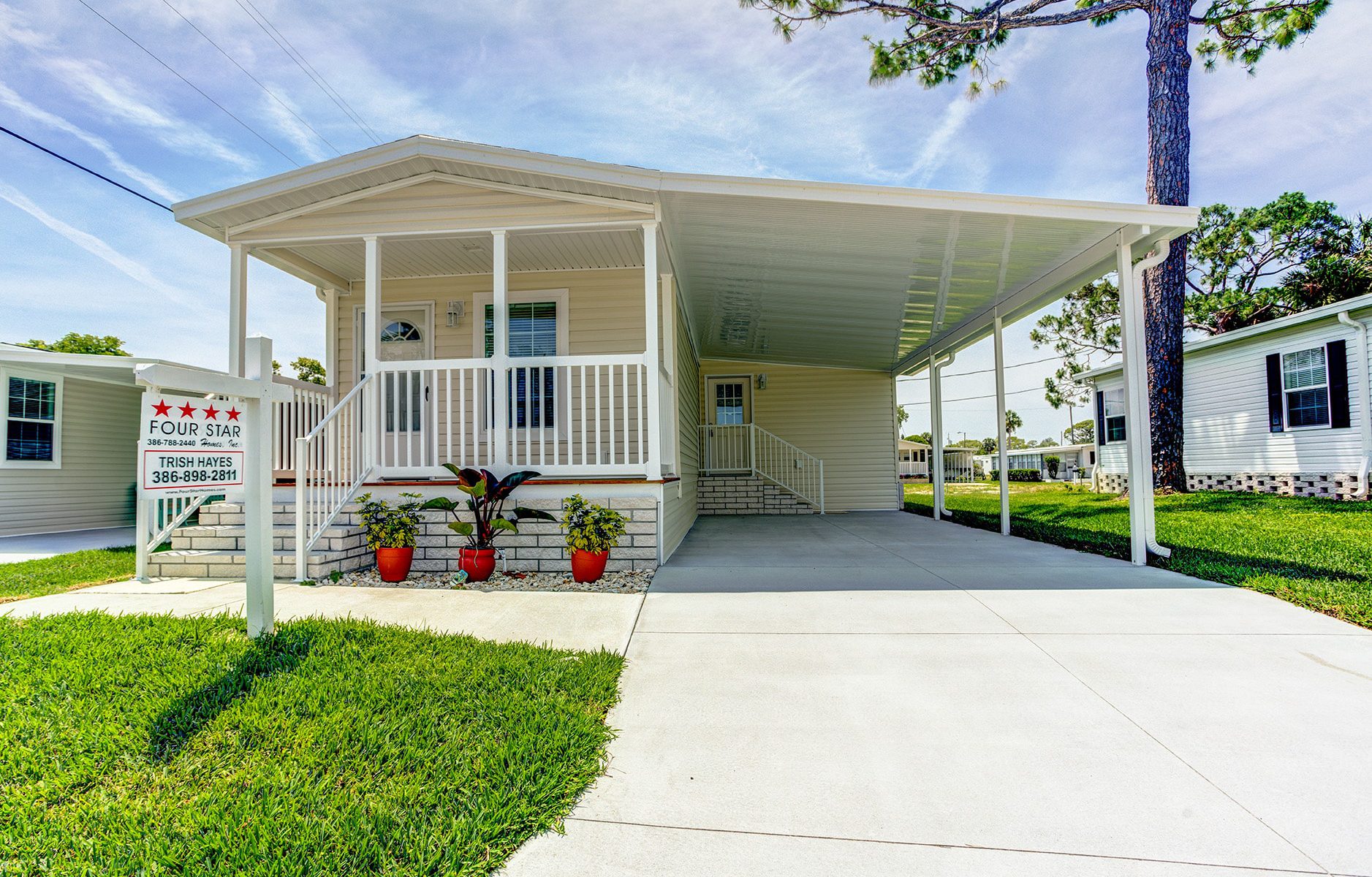
Similar to standard on site-built homes, modular homes fluctuate in value with the traditional housing market. Shop a huge selection of manufactured and modular floor plans. Since 1982, has been producing quality contemporary style manufactured homes utilizing superior construction techniques with an emphasis on value and comfort, with 59 floor plans available.
New Home Builders Near You
This mobile home manufacturer produces a variety of impressive modular home floor plans that will be a great match for a home site with a permanent foundation. The first thing that comes to mind when you walk into a St. Andrews home is how smart the design is. While this manufactured home is only 1,856 square feet featuring 3 bedrooms and 2 baths, the whole entire space encompasses the feeling of spaciousness. This high-quality manufactured home has an open floor plan for the living room and dining room space, while the kitchen is semi-enclosed with an island between the two entryways. Also, another unique amenity is the small breakfast nook that many modern site-built homes do not have. So the family can get together for quick meals and fun times.
As expected, a few companies declined to speak with us but most welcomed the chance to get their information out. An article on each manufacturer provides important information with helpful facts and insight. Understanding how the manufacturers compare to each other is the first step in deciding which model or brand to consider.
Modular vs. Manufactured Homes Cost
But it will still mean extra costs that you need to factor into the final price. When you have parked it, you will also need to connect it to all the utilities. There are usually less negotiation and less complicated legal agreements. Additions and changes to the house can usually be done yourself and can cost less and take less time to complete.
Most manufacturers have a range of floor plans and allow buyers to select the one that works for them. Manufactured homes cost $30 to $60 per square foot compared to modular home construction at $50 to $100 per square foot. Modular homes are customizable and typically placed on a permanent foundation. Manufactured homes are built to HUD standard, but mounted on a steel frame. Custom modular home prices range from $100 to $250 per square foot or between $200,000 and $500,000 when including all site-work, installation, and finishing.
Disadvantages of Modular Homes
Today’s modular and manufactured homes are beautiful and comfortable. They’re also faster and usually less expensive to build than site-built homes. Non-permanent foundations, like concrete slabs and steel frames, are less costly but also less secure.
One option is to get financing from the modular home dealer or construction company. This is most common when the dealer is also the general contractor working on the home, and it’s almost a sure thing if that dealer-contractor owns the land. With modular homes, construction is centralized and everyone knows the process. Work doesn’t slow down just because a crew member doesn’t know what comes next. If there is a question, there’s always someone on-site who can give direction. Some states classify prefabricated homes as “mobile homes,” which leads to more taxes and less or no mortgage options.
An added benefit is the fact that the brand name materials used in the construction of your home are never exposed to rain or damaging weather during the building process. Palm Harbor Homes is one of the leading builders of modular and manufactured homes in the US. The company was founded in 1977 after the HUD Code took effect. Cavco Durango meets all building codes and requirements of the U.S. Department of Housing and Urban Development , including International and Universal building codes.
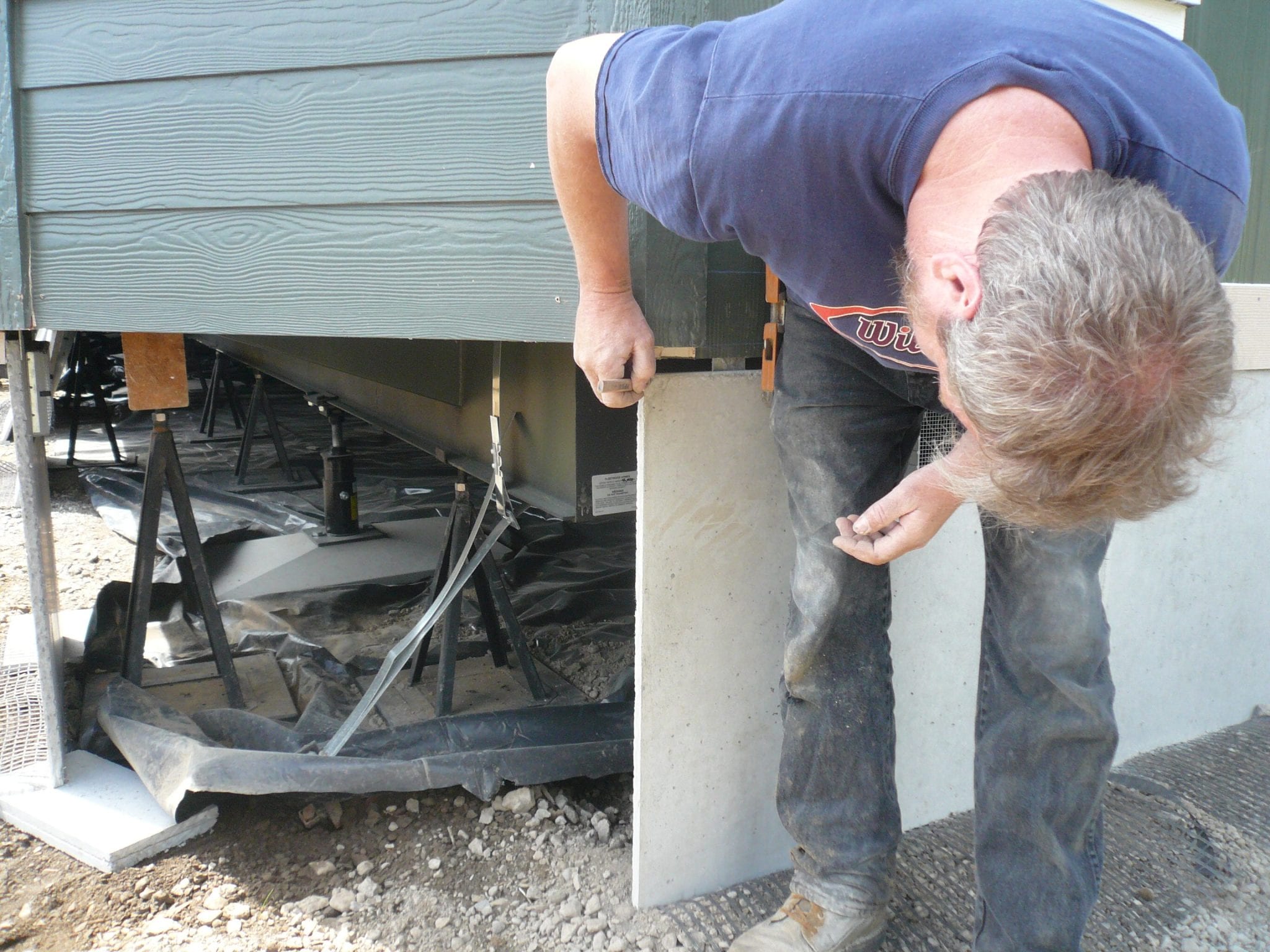
That severely decreases the variability of design and size. Most mobile homes are one of just a handful of sizes and layouts. If mobile homes stray from the specified dimensions, they cannot be shipped via truck. What is the difference between a modular home and a mobile home? These are a few of the questions that will be looked at in this article. Here we’ve arrived at the end of our analysis of mobile home vs house.
If you live in a trailer park, a mobile home community, or a residential neighborhood of manufactured houses, you know fancy words don’t change your walls. The industry would have you call them manufactured homes, and with good reason, they look nothing like the trailers of fifty years ago. The construction standards have steadily increased, through both competition and federal regulation. Most residents call them mobile homes or trailer homes - manufactured housing just gets stuck in your mouth, or you have to explain anyway that what you really mean is a doublewide. Mobile homes or trailers built prior to June 15, 1976, would not likely pass today’s building standards. The manufactured homes we finance must have been built after this date in 1976.
Today’s factory-built manufactured and modular homes are built with you in mind. The new generation of manufactured homes is being crafted with the quality and durability you might expect only from a site-built house. With customizable layouts and features — and surprisingly affordable mortgage financing options — you can make your dream home a reality.
This price includes delivery, set-up, and utility connections, but excludes total site preparation fees. Kent offers more than 100 customizable floor plans ranging from 600 to 2,500 square feet. Clayton Modular Homes prices range from $70 to $200 per square foot or between $30,000 and $200,000 depending on the size, model, and delivery distance. Clayton operates nationwide and offers more than 175 floor plans ranging from 1,000 to 2,280 square feet.


No comments:
Post a Comment